





Women in leadership: a pathway to better performance
Diversity, Equity, and InclusionWomen’s leadership in senior positions can impact the commercial performance of mid-market businesses including profit expectations.
Discover the latest findings from our research into sustainable business practices of Egyptian firms

In an era where sustainability is no longer a mere buzzword but a critical business imperative, Grant Thornton research reveals a notable shift in investment priorities among Egyptian business leaders. As we move further into 2024, a significant 29% of business leaders are poised to increase their investment in sustainable initiatives over the next 12 months, up from 27% in the first quarter of 2024.
This upward trend underscores the growing recognition of sustainability as a key driver of long-term business success and resilience. The data indicates that the lion’s share of investment is going toward initiatives that mitigate companies’ environmental footprint, which aligns directly with the wider national directive.

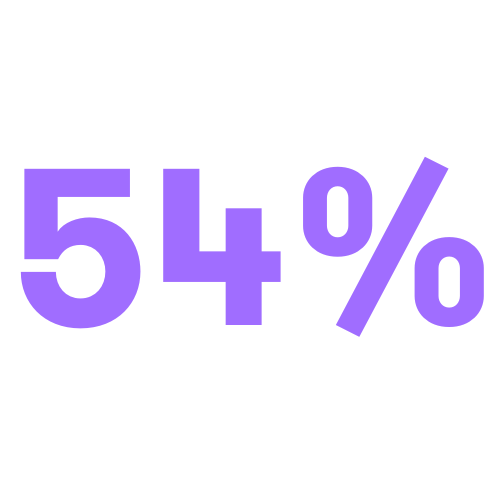
International business
of business leaders believe ESG requirements are a barrier to international business expansion
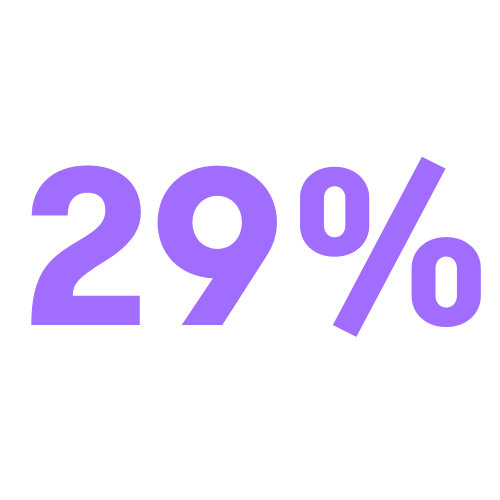
Investing in sustainability
of business leaders are increasing their investment in sustainable initiatives
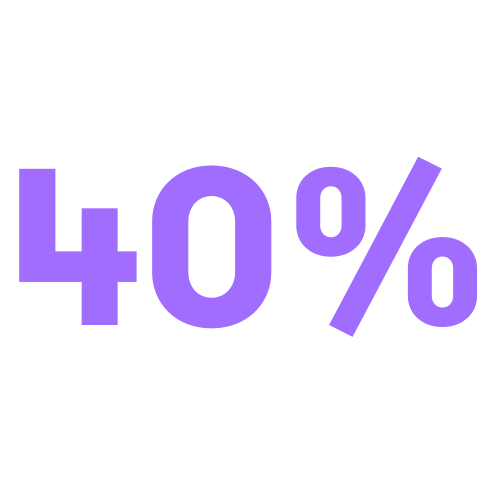
Where to start
of business leaders cite not knowing where to start when it comes to ESG compliance as their biggest concern
The two most important factors cited by business leaders are pressure from market competition and the need to maintain a strong brand reputation. In an increasingly competitive market, businesses are recognizing that robust ESG practices can serve as a key differentiator.
Regulatory bodies are implementing policies to promote sustainable practices and linking access to capital with the same. At the same time, there is a growing expectation from customers, employees, and communities, to act responsibly. Companies are responding to these pressures by integrating sustainability into their core values and operations, thereby fostering trust among stakeholders.

The data highlighted a growing awareness of sustainable development practices among Egyptian business leaders. While a significant portion of businesses have yet to embark on their sustainability journey, the adoption of ESG strategies, targets, and reporting by others sets a promising foundation for future growth.
A solid 30% of Egyptian businesses have an ESG strategy in place and 20% have set targets to measure the strategy up against the medium to long term. Some 17% of respondents have implemented their sustainability program and 13% engage in reporting – a new and yet growing requirement for EGX-listed companies.
From our research and the IBR data, we have produced a proposed model for a ‘sustainability cycle’ which depicts the phases most mid-market firms will go through on the journey to becoming a sustainable business. The cycle is comprised of four phases, each encompassing different actions on sustainability. From the data we can also determine that the cycle is continuous and iterative.
Our analysis shows that firms undertake many different combinations of actions on sustainability. Each cycle through the phases fuels subsequent ones, and as time goes on, a complex and interconnected journey forms. It’s therefore helpful to picture the sustainability journey as a continuum.
Start now
Take action sooner rather than later, when it comes to reporting requirements.
Protect brand equity
Being sustainable can offer a competitive advantage to mid-market firms and help protect their brand.
Seek an advisor
Speaking to an adviser can help simplify the process and plot the right course of action.
Forge partnerships
Larger companies need to work with their mid-market counterparts in supply chains to help them navigate regulatory issues.
Take it slow
The sustainability journey is not a sprint. It is likely to take most businesses several years to perfect their strategy and reporting.
Download the full research results, which takes a more in-depth look at how the findings differ across sectors and geographies.

Women’s leadership in senior positions can impact the commercial performance of mid-market businesses including profit expectations.

The Egyptian Financial Regulatory Authority (FRA) has introduced mandatory ESG reporting regulations to align with international standards and promote sustainable development.

Egyptian firms continue to see the importance of international expansion as a key driver for future growth, in line with Egypt’s overarching ambitions to bolster exports.